

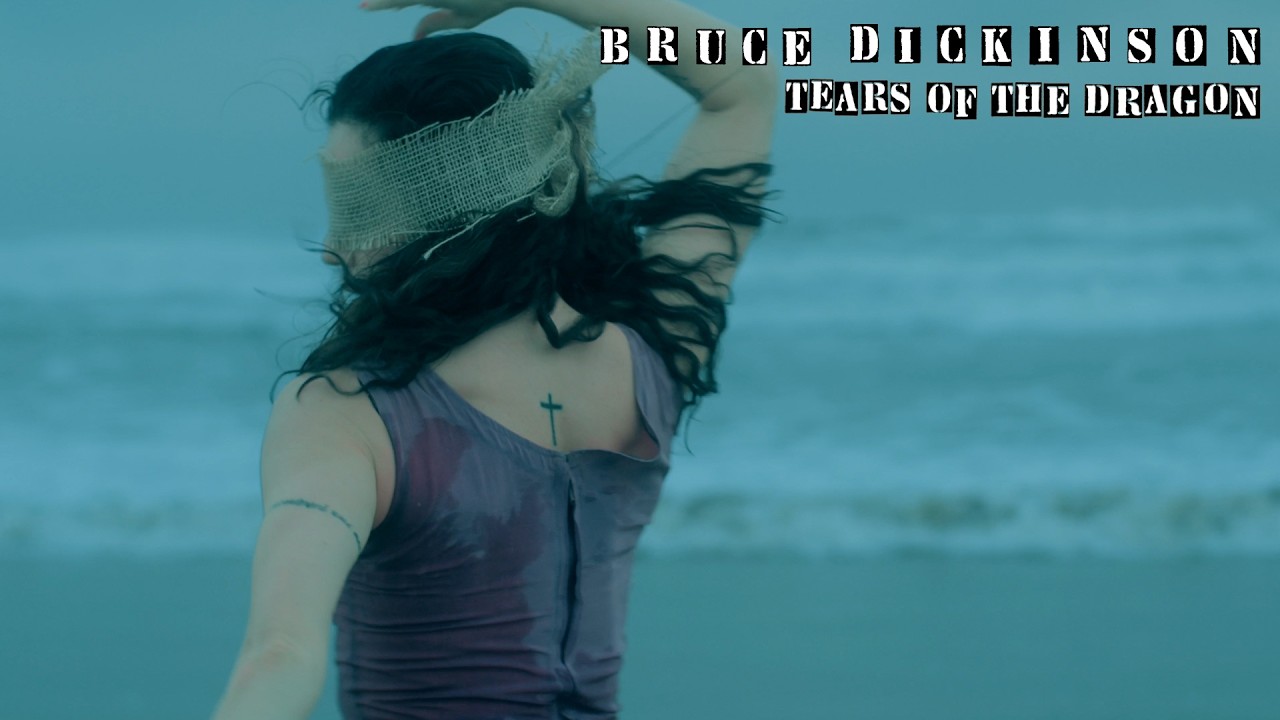
Bruce Dickinson just dropped an award‑winning video for his solo epic "Tears Of The Dragon". The clip was filmed in São Paulo after his Town festival set, under the direction of Leo Liberti and Antoine de Montremy. I watched the visual and heard the reworked track in one relentless surge. The production screams ambition while the music roars with the same fire that made the original a metal milestone.
Why the Original Still Rules
The original riff slashes through the mix like a blade forged in a furnace. Two power chords launch into a galloping progression that never yields. The melody rides on a harmonic minor scale that screams medieval drama. I can hear the same riff in every great metal anthem that follows, because it set the template.
Dickinson’s voice pierces the chaos with operatic ferocity. He snarls the chorus with a timbre that sounds like a battle cry from a war‑torn cathedral. Every vibrato is calculated, every scream is purposeful. I feel the raw emotion slam into my skull like a hammer.
The Reworking: What Changed and What Stayed
The new mix strips away any hint of polish that would dilute the aggression. The guitars sit front‑center, drenched in a razor‑sharp distortion that cuts through the drums. The vocal track is layered with subtle harmonies that add depth without softening the edge. The tempo remains unchanged, preserving the original’s relentless momentum.
The lead lines now feature a double‑track that doubles the attack. The solo climbs higher, using harmonic squeals that scream triumph. The rhythm guitars employ a tighter low‑end that fills the sonic space like a siege engine. I hear the same ferocity but with a modern bite that makes the track feel alive.
The Rhythm Section: Drums and Bass that Drive the Dragon
The drum kit sounds like a machine built for war. The double‑kick thunders with precision, never missing a beat. The snare cracks with a metallic snap that accentuates every downbeat. The fills are daring, refusing to hide behind generic patterns.
The bass underpins the riff with a gritty, overdriven growl. It follows the guitar’s movement while adding its own melodic counterpoint. The low frequencies are punchy, never muddy. I can feel the groove pulse through my veins.
Final Verdict: A Triumph Over Contemporary Mediocrity
Bruce Dickinson proved that a classic can be reborn without selling its soul. The video amplifies the song’s mythic status, while the audio upgrades the aggression to a new level. Modern metal bands should bow to this benchmark instead of chasing trends. Anything less is a pale imitation.