
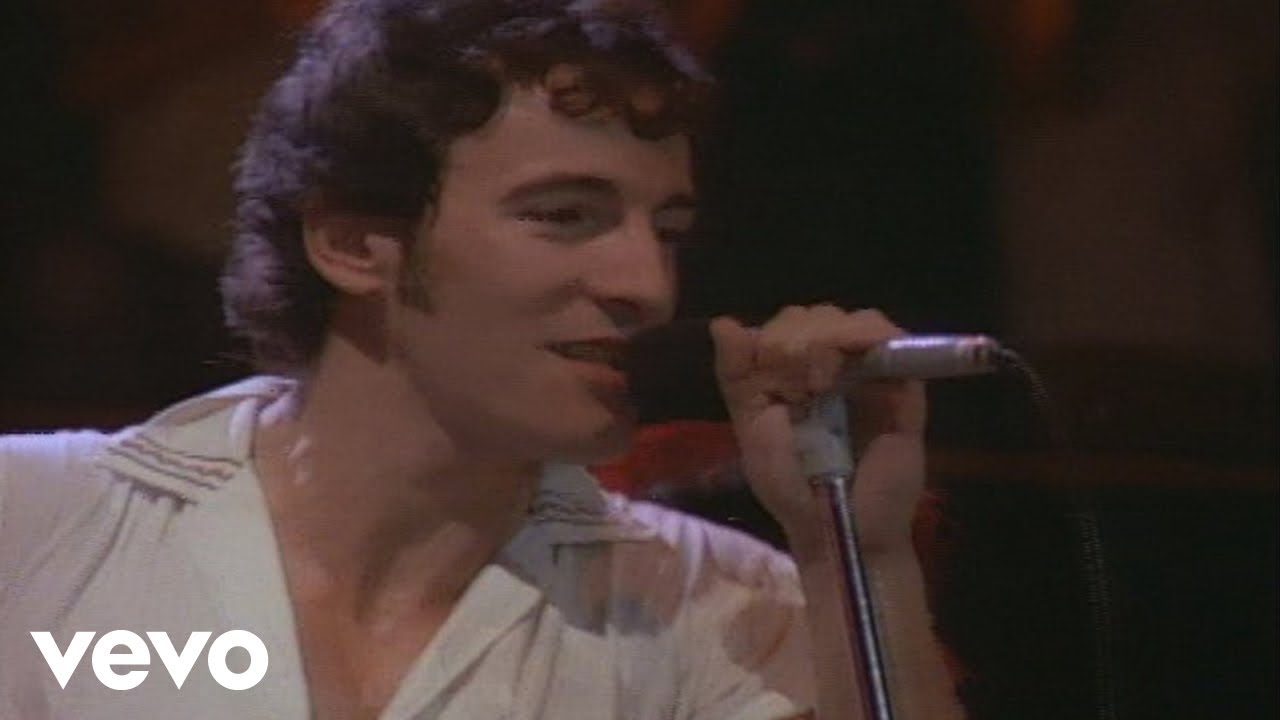
I watched the circus of rock gods at the Bruce Springsteen Center and felt the same electric jolt that the original 'Dancing In the Dark' gave me in 1984. Bon Jovi, Public Enemy, and a gaggle of wannabe legends crowded the stage, but none could replicate the raw hunger in Springsteen’s voice. The crowd’s roar proved that the myth of the Boss is still alive. If you think a reunion can dilute the song’s power, you’re dead wrong.
Why 'Dancing In the Dark' Still Burns
The lyric 'You can't start a fire without a spark' reads like a challenge to every complacent pop songwriter. I hear that line and feel a punch to the gut, not a polite nudge. Springsteen forces you to confront your own inertia. The song refuses to be background noise; it demands attention.
The verses map a night of restless longing, while the chorus erupts like a neon explosion over a dark city. The Boss paints a portrait of a man stuck in a dead‑end job, yet he refuses to surrender. That tension fuels the track’s relentless drive. No modern anthem captures that blend of desperation and defiance.
The Riff That Refuses to Age
The opening guitar chord slams into the mix like a hammer, setting a tempo that never wavers. The riff is built on a simple minor pentatonic shape, yet Springsteen layers it with subtle syncopation that keeps it from feeling stale. Each strum lands with surgical precision, cutting through the synth pads that try to soften the edge. The result is a hook that outlasts any glossy production of the 2010s.
The drums lock into a straight‑ahead four‑on‑the‑floor beat, but the ghost notes on the snare add a jittery undercurrent. Max Weinberg’s fills never overstay their welcome; they punctuate the chorus with surgical bursts. The bass follows the guitar’s contour, reinforcing the groove without ever becoming a wall of mud. This rhythm section is a textbook example of how to drive a song without choking it.
Springsteen's Vocal Fury
Springsteen snarls the verses with a grit that sounds like a busted streetlamp. He never slips into the polished croon that modern rock pretends to own. His vocal timbre cracks on the line 'I’m tired of being a victim of the night,' delivering a raw edge that feels like a fist to the throat. The chorus lifts into a soaring shout, yet it never loses its grounded aggression.
The phrasing is deliberately uneven, forcing the listener to stumble and catch up. That stumble mirrors the song’s theme of being stuck in a rut. The Boss’s breathy sighs between lines add a human flaw that no auto‑tuned pop star can fake. The result is an emotional punch that feels timeless.
Production Choices That Defy Time
The 1984 mix embraces analog tape saturation, giving the track a warm, gritty texture. The synth stabs are placed just far enough to add sparkle without diluting the rock core. No over‑compression smothers the dynamics; the song breathes from start to finish. This restraint makes the track sound fresher than any over‑produced 2020s hit.
When the Boss throws 'Dancing In the Dark' into a stadium set, the crowd erupts like a pressure cooker. The live arrangement strips back the synth, letting the guitars roar louder. The audience’s collective chant on the chorus proves the song’s communal power. It proves that the track can survive any era without losing its edge.
If you think 'Dancing In the Dark' is a relic, you’ve been sleeping under a rock. The song remains a blueprint for how to marry lyrical desperation with unstoppable rock energy. It outshines every chart‑topper that pretends to have heart. Sit down, listen, and let the Boss remind you what real rock sounds like.