

Ray Luzier warned that drummers who lean on studio fixes drive him nuts. He said the problem is endemic in modern metal. Korn never needed a digital safety net on “Clown.” The track was recorded with a live drum kit that punches through the mix. Any listener who thinks otherwise is lying to themselves.
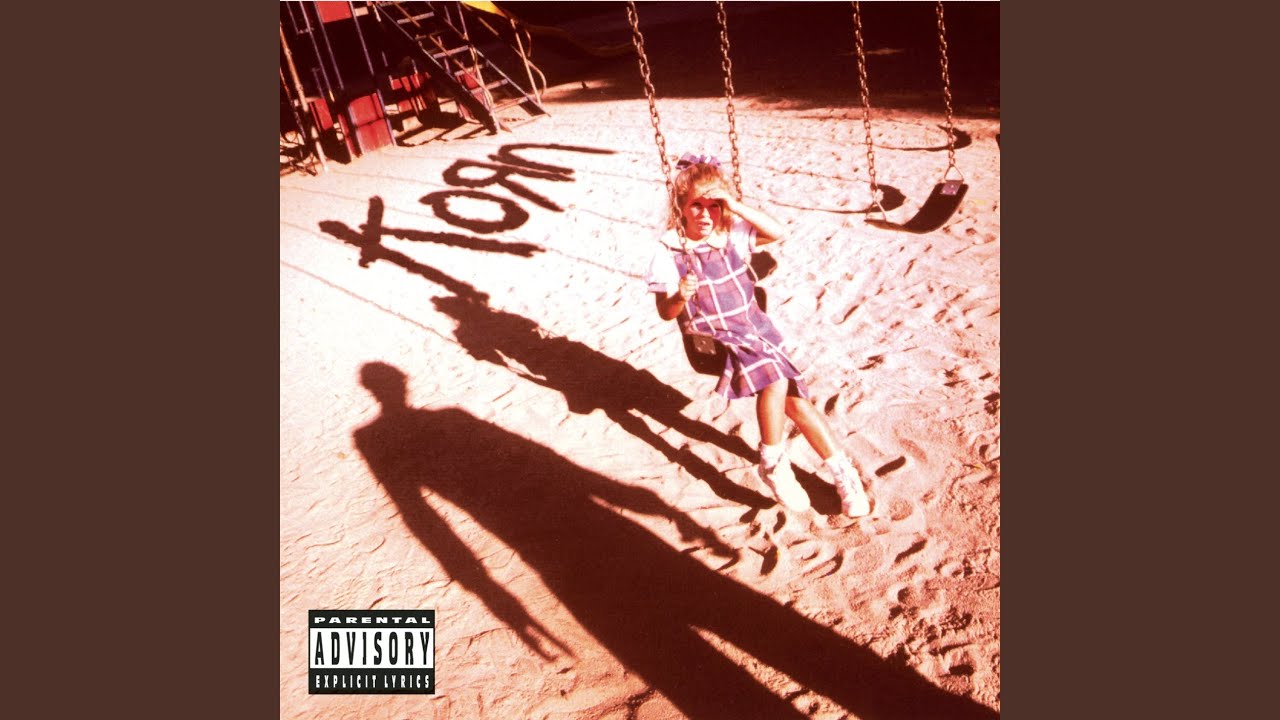
“Clown” opened Korn’s debut in 1994 and still rattles the ears of anyone who dares press play. The opening six‑second burst of distortion announces war, not a song. The structure refuses to bow to radio‑friendly hooks. It is a manifesto of aggression that defines nu‑metal’s ethos. If you think it’s a relic, you haven’t heard it at full volume.
Riff Warfare
Munky’s main riff slices through with a tritone that would make a classical composer cringe. The pattern repeats every two bars, demanding relentless headbanging. The palm‑muted chugs sit on a low‑tuned B, adding weight that no tuner can fake. The rhythm guitar doubles the attack, creating a wall of sound that never backs down. This is riffage that outclasses any mainstream metal released this decade.
Head’s second guitar adds a thin, squealing layer that cuts like a razor. The high‑gain tone is drenched in mid‑range, forcing the listener’s skull to vibrate. The occasional dissonant bend creates tension that never resolves. The production leaves no room for polish; it embraces rawness. The result is a guitar assault that makes pretenders look like children with toy instruments.
Vocal Assault
Jonathan Davis delivers his vocals like a scream from a broken soul. He alternates between guttural growls and a manic, high‑pitched wail. The delivery never hesitates; it forces the audience into a state of panic. His phrasing on “Clown” feels like a verbal machete, cutting through the instrumental onslaught. Anyone who claims his performance is over‑the‑top simply enjoys mediocrity.
The lyrics mock the listener’s sanity, asking “What’s your favorite?” as if it were a death sentence. Davis spits the words with a sneer that could melt steel. The chorus repeats a chant that becomes a battle cry for the disenchanted. The track’s dynamics surge when the vocals rise, then collapse into a guttural whisper that drags you under. If you think the words are shallow, you’ve never felt the rage behind them.
Rhythm Section Unleashed
Ray Luzier’s drumming on “Clown” is a barrage of double‑kick thunder and snare snaps. He never resorts to triggered samples; each hit is organic and brutal. The fills are jagged, never predictable, keeping the momentum ferocious. His cymbal crashes puncture the mix like artillery fire. Any drummer who relies on post‑production fixes would crumble under this pressure.
Fieldy’s bass slaps with a percussive bite that mirrors the drums. The low‑end rumble anchors the chaotic guitars without drowning them. His syncopated runs add a groove that fuels the track’s relentless drive. The tone is gritty, not polished, reinforcing the song’s raw aesthetic. Listeners who expect a smooth low‑frequency foundation are in for a rude awakening.
Zac Baird and Davey Oberlin sprinkle keyboards that hiss and glitch, adding an industrial texture. Kalen Chase’s background vocals echo like deranged carnival barkers, enhancing the unsettling atmosphere. The keyboards never soften the aggression; they amplify it. The production balances these elements without diluting the core heaviness. The result is a sonic collage that proves Korn mastered chaos long before anyone else claimed it.