
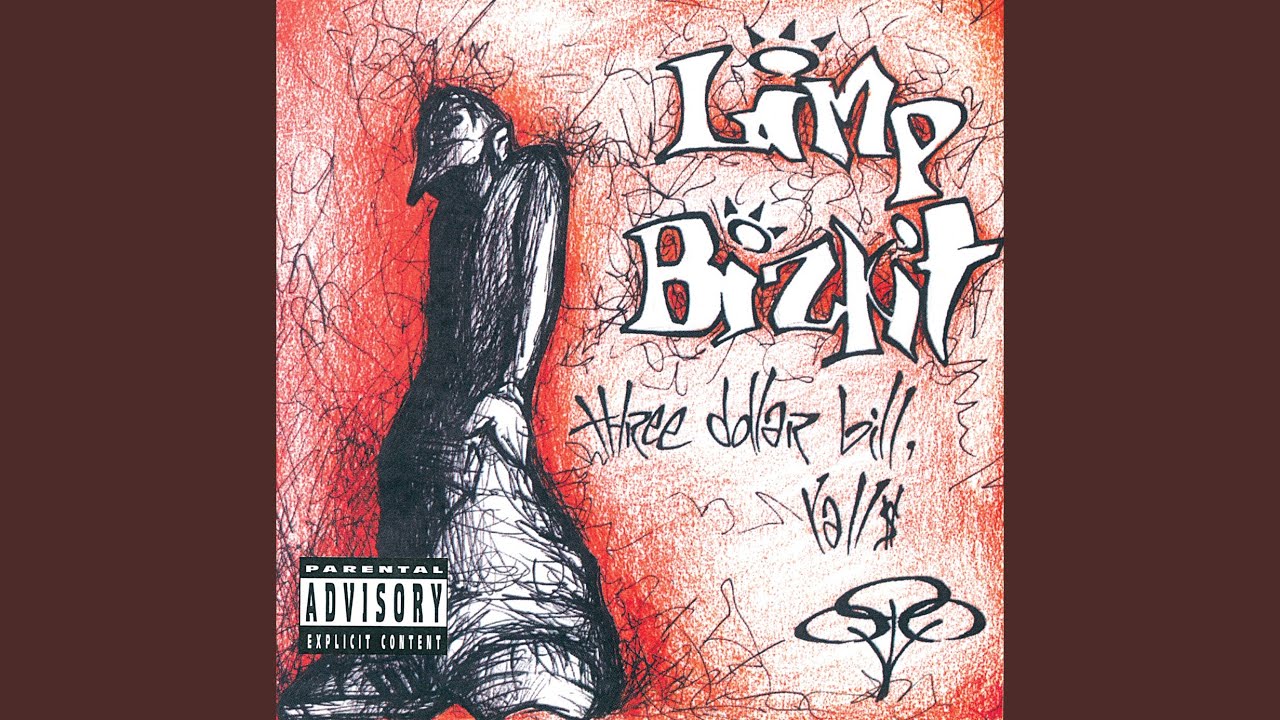
Wes Borland just unveiled his signature Jackson King V, but the real proof of his axe’s worth is on the new track Pollution. The moment the intro riff hits, you feel a seismic wave that rattles your skull. This isn’t a nostalgic cash‑grab; it’s a full‑throttle statement of intent. If you thought Limp Bizkit had softened, sit down and listen to the opening bars. The track announces itself as the loudest thing you’ll hear all week.
Why Pollution Crushes the Nu‑Metal Landscape
The main riff is a razor‑sharp cascade of drop‑D power chords that slice through any pretense of subtlety. Wes Borland cranks the King V into a growl that sounds like a chainsaw on steroids. He layers a second guitar line that weaves dissonant harmonics into the mix, creating a wall of sound that never backs off. The tone is raw, unfiltered, and drenched in distortion that would make a 90s metalhead weep. Every note screams that Limp Bizkit refuses to compromise.
Fred Durst delivers vocals that bounce between snarling rap and guttural scream with brutal precision. His lyrics trash the complacency of modern pop culture while riding the riff like a reckless rider. The delivery is aggressive, never slipping into the saccharine hooks that plague today’s radio. Durst’s timing locks perfectly with the groove, making each phrase feel like a punch to the gut. He proves that his voice still belongs at the front of a metal assault.
The Rhythm Section Is a Machine
John Otto pounds the drums with a relentless double‑kick barrage that drives the track forward. His snare hits are crisp, cutting through the guitar wall with surgical accuracy. Otto’s fills are not decorative; they are weapons that amplify the song’s intensity. Samuel G. Mpungu’s bass lines throb like a heartbeat in a warzone, locking in with Otto’s kick to create a foundation that shudders under the weight of the riff. The low end is massive, fat, and unapologetically dominant.
DJ Lethal adds a layer of chaos that elevates Pollution from a riff‑driven jam to a full‑blown sonic assault. His scratches slice through the mix with razor‑sharp precision, puncturing the guitar wall at just the right moments. The sampler drops industrial clangs that echo like distant explosions. Lethal’s turntable work never feels gimmicky; it feels essential to the track’s aggressive architecture. He proves that turntables still belong in heavy music.
Production Choices That Refuse to Pander
The production on Pollution is a masterclass in loudness without sacrificing clarity. Every instrument occupies its own space, yet they collide in a controlled maelstrom. The mix pushes the guitars front‑center while keeping the bass and drums fat and present. Effects are used sparingly, only to accentuate the aggression rather than soften it. The result is a track that hits hard and stays hard from start to finish.
Pollution stands as a defiant middle finger to anyone who thinks nu‑metal is dead. It reclaims the genre’s original fury and injects it with fresh, unapologetic energy. The song forces listeners to confront their own complacency and either rise or retreat. It’s a reminder that Limp Bizkit still commands the loudest speakers in the room. Anything less would be a betrayal of the band’s legacy.
The Legacy of Borland’s New Axe
Wes Borland’s signature Jackson King V isn’t just a marketing stunt; it’s the weapon that carves Pollution’s savage sound. The guitar’s aggressive pickup configuration delivers the brutal tone that defines the track. Borland’s playing showcases the instrument’s capacity for both crushing chords and intricate melodic twists. This guitar will become a benchmark for anyone who wants to emulate true nu‑metal ferocity. Pollution proves that a new axe can still rewrite the rules of a genre.