

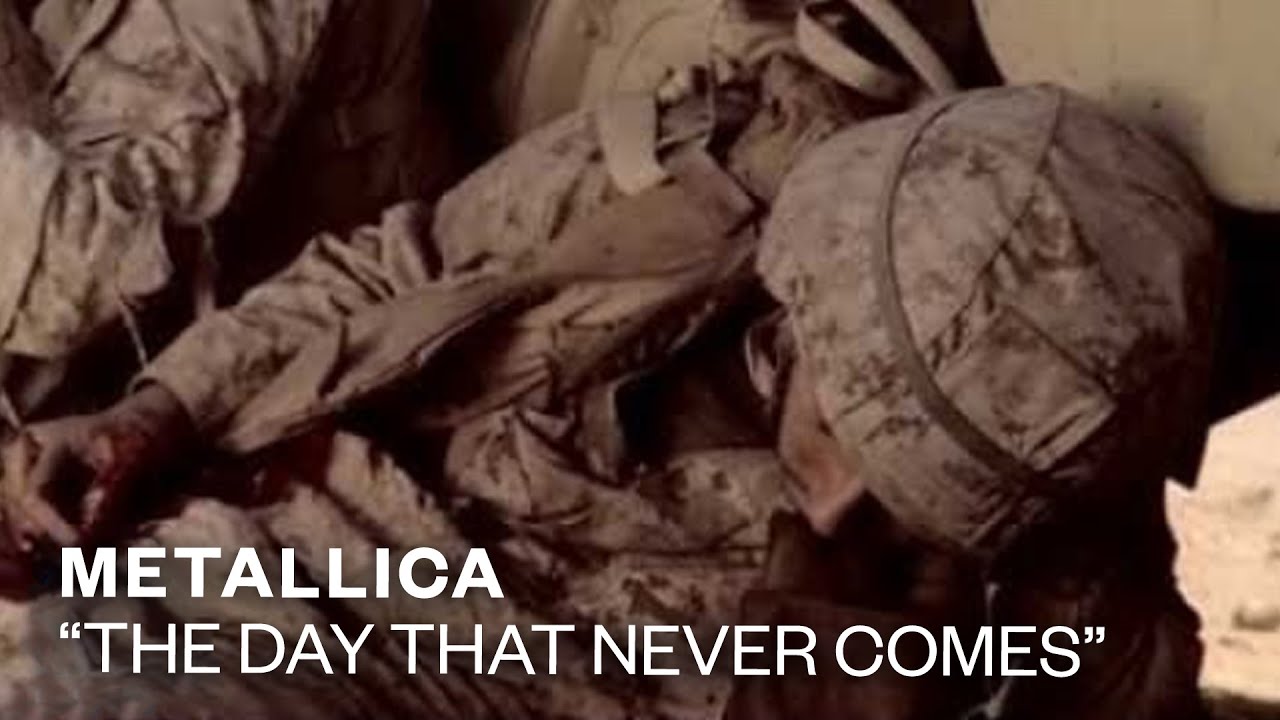
Avatar just announced a European trek that rides the coattails of Metallica’s global juggernaut, and the Swedish theatrics are nothing but a billboard for the real heavyweight. The fact that Avatar spends their tour supporting Metallica proves the latter’s dominance over any scene that pretends to be avant‑garde. While the crowds chant for the newcomers, the true metal gods unleash "The Day That Never Comes" as a reminder of who writes the rulebook. The song slams the stage with a ferocity that makes festival hype feel like a warm‑up act. If you think the headline act is a relic, sit down and listen to the opening bars.
Riff Warfare from the Opening Bell
The opening riff cuts like a serrated blade, each note landing with surgical precision. Hetfield’s chugging pattern locks into a groove that refuses any hint of compromise. Hammett layers a soaring lead that rides the rhythm without ever losing its edge. The harmonic minor twist in the bridge shreds the listener’s expectations. This is the kind of riff that makes every aspiring guitarist cringe in shame.
The guitar tone is raw, unfiltered, and drenched in the signature Mesa/Boogie growl. Hetfield’s rhythm work never wavers, delivering a wall of sound that feels like a sonic battering ram. Hammett’s solo erupts with blistering speed, each lick a testament to his virtuosity. The interplay between rhythm and lead is a conversation that never yields. The result is a guitar assault that dwarfs any modern production gimmick.
Hetfield’s vocal delivery drips with controlled rage, his growl resonating like a battlefield commander. The verses march forward with a disciplined cadence, while the chorus erupts in a guttural howl that demands attention. Background shouts from Hammett and Trujillo add depth without diluting the intensity. The lyrical theme of unfulfilled promises hits like a punch to the gut. Every word is delivered with the conviction of a man who has lived the struggle.
The Rhythm Section’s Relentless Assault
Lars Ulrich’s drumming is a relentless barrage that never lets the momentum slip. The double‑kick patterns drive the track forward with an unyielding force. Cymbal crashes punctuate each transition, marking the song’s structural peaks with surgical precision. Fill choices are daring, never resorting to filler or lazy repetition. Ulrich’s performance proves why he remains a pillar of thrash drumming.
Robert Trujillo’s bass lines anchor the chaos with a thunderous low end that reverberates through every speaker. His finger‑style attack adds a gritty texture that complements the guitar onslaught. The low frequencies punch through the mix, giving the track a weight that feels physical. Trujillo never backs off, his presence felt in every breakdown and climax. The bass work here is a masterclass in how to be both supportive and dominant.
Production That Refuses to Water Down
The production is a clean, brutal wall of sound that preserves every instrument’s aggression. No digital polish softens the edges; the mix is raw, unapologetic, and ferocious. The separation between guitars, drums, and bass is crystal clear, allowing each element to cut through with maximum impact. Reverb is used sparingly, only to accentuate the cavernous atmosphere of the chorus. This approach makes the track feel like a live assault rather than a studio contrivance.
Dynamic shifts are executed with surgical timing, never resorting to lazy volume fades. The quiet verses build tension that explodes into a chorus of unrelenting fury. Every transition is a calculated strike that keeps the listener on edge. The bridge’s melodic interlude provides a brief respite before the final onslaught. The dynamics prove that Metallica still knows how to manipulate intensity like a seasoned war general.
Why This Song Still Rules the Metal Throne
The Day That Never Comes stands as a benchmark for modern thrash, a track that refuses to be eclipsed by trends. Its riffs, vocals, rhythm section, and production combine into an unstoppable force. The song reminds the world that Metallica’s legacy is built on relentless execution, not nostalgic sentiment. Any band that claims to innovate without honoring this blueprint is merely a pretender. This track cements Metallica’s reign over the metal hierarchy.